Top 10 Benefits of Using Aluminium Sections in Construction and Design?

The use of aluminium sections in construction and design has surged in recent years. According to a report by the Aluminium Association, the demand for aluminium in the construction industry is expected to grow by 3.5% annually. This growth reflects the material’s advantages. Aluminium sections are lightweight yet incredibly strong. They can be easily shaped into various forms, making them versatile in architectural designs.

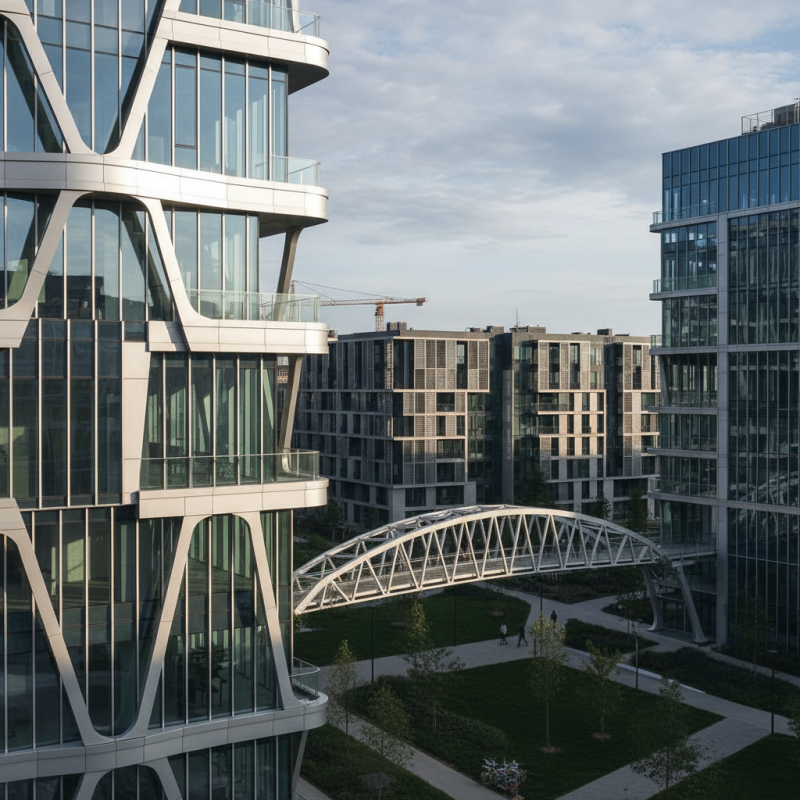
Expert John Smith, a leading figure in aluminium construction, emphasizes the importance of this material: “Aluminium sections not only provide structural integrity but also enhance aesthetic appeal.” This is evident in modern buildings, where sleek designs incorporate aluminium for both functional and visual purposes.

However, it’s essential to address some challenges. The initial cost of aluminium sections can be higher than other materials. Additionally, some professionals may lack experience in working with aluminium, leading to design flaws. Understanding both benefits and drawbacks is crucial for optimizing construction projects.
Top 10 Benefits of Using Aluminium Sections in Construction and Design?

Benefits of Aluminium Sections: Lightweight Yet Durable Construction Material

Top 10 Benefits of Using Aluminium Sections in Construction and Design?

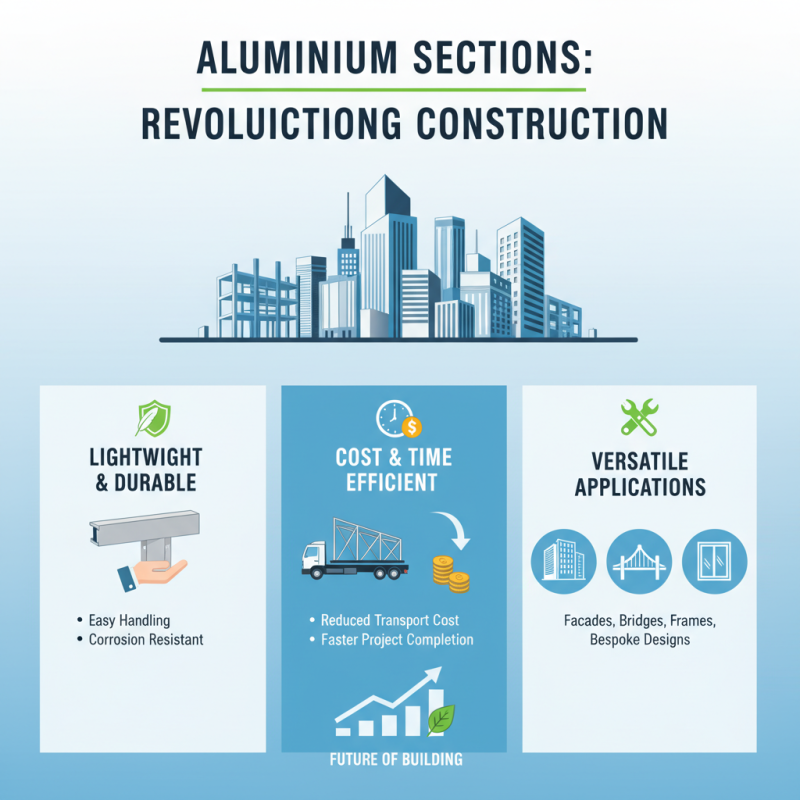
Aluminium sections are revolutionizing construction and design. They are lightweight yet incredibly durable. This unique combination makes them ideal for various applications. Structures built with aluminium are easier to handle. Transporting them is often less costly. This aspect can save time and resources on project sites.

One of the standout features is corrosion resistance. Aluminium can withstand harsh weather conditions. This property extends the lifespan of constructions significantly. However, the maintenance of joints and connections is crucial. Regular inspections can prevent potential issues down the road.

Tip: Consider modular designs. Incorporating aluminium sections can enhance flexibility. They can be easily adapted for different projects, whether residential or commercial. Another benefit is the aesthetic appeal. Aluminium lends a modern touch to any design. But remember, balance looks with functionality. Proper planning is essential. Mistakes can lead to costly adjustments later.
Enhanced Corrosion Resistance of Aluminium in Various Construction Environments

Aluminium is a popular choice in construction. Its enhanced corrosion resistance stands out, especially in challenging environments. Buildings near water or coastal areas often face moisture issues. Traditional materials may deteriorate quickly. In contrast, aluminium resists rust and corrosion effectively. This property prolongs the lifespan of structures.

Moreover, aluminium's lightweight nature helps in various designs. It allows for intricate shapes and forms without compromising strength. Yet, some may overlook the importance of alloy selection. Not all aluminium grades perform equally. This can lead to unexpected failures. Proper knowledge of environmental factors is essential. For instance, high salt content in coastal air can affect performance.

In addition, the sustainability of aluminium is noteworthy. Recycled aluminium retains its strength and properties. This reduces the carbon footprint significantly. However, recycling processes are not flawless. There are still energy costs involved. Designers must weigh these factors carefully when choosing materials. Overall, the benefits of aluminium sections are clear in construction. Understanding their limitations is equally crucial.

Top 10 Benefits of Using Aluminium Sections in Construction and Design

Energy Efficiency: How Aluminium Contributes to Sustainable Design Practices

Aluminium sections play a crucial role in modern construction. Their lightweight nature aids in reducing the overall energy usage of buildings. With many structures utilizing aluminium, energy efficiency is greatly enhanced. These materials can be insulated easily, minimizing heat loss. This attribute contributes to stable indoor temperatures, lowering heating and cooling demands.

In a world focused on sustainability, aluminium's recyclability stands out. More than 75% of aluminium produced is still in use today. This fact raises questions about recycling practices and how often we truly integrate eco-friendly materials. The energy required for recycling aluminium is significantly lower than producing it from raw materials. This perspective can shake our understanding of responsible design.

However, it’s essential to consider challenges too. While aluminium is durable, some may overlook its environmental costs during mining. Awareness of these realities is vital for genuine sustainable practices. Designers must weigh both benefits and drawbacks. Engaging in this reflection can lead to more thoughtful choices in our built environment.

Cost-Effectiveness of Aluminium Sections: Long-Term Savings in Construction

Aluminium sections are gaining popularity in construction. They are lightweight and strong. One significant advantage is cost-effectiveness. While initial costs may seem high, the long-term savings are remarkable. Aluminium's durability means fewer repairs over time. This reduces maintenance expenses significantly.

Choosing aluminium can also prevent frequent replacements. Unlike wood or steel, it doesn’t corrode as easily. This longevity contributes to its overall cost-effectiveness. Additionally, energy efficiency is another factor. Aluminium can help improve insulation, reducing energy bills. These savings can accumulate over the building's life.

**Tip:** When selecting materials, consider their lifecycle cost, not just the upfront price. Every little detail counts. Check durability ratings to ensure your choice stands the test of time. Often, cheaper options lead to higher expenses down the road. Investing in quality materials creates a more sustainable future.

Versatility of Aluminium Sections in Contemporary Architectural Designs

Aluminium sections have become essential in modern architectural designs. Their versatility is one of the key benefits driving this trend. A 2021 report from the International Aluminium Institute highlights that around 30% of aluminium produced globally is utilized in the construction sector. This significant use reflects aluminium's adaptability to various design needs.

Architects are increasingly choosing aluminium for its lightweight properties and durability. Aluminium sections can easily be molded into different shapes. This flexibility allows for innovative designs that incorporate large spans and unique structures. Statistically, buildings made with aluminium can reduce energy consumption by up to 30%, according to the Energy Efficiency in Buildings report. This makes them not only visually appealing but also efficient.

However, there are challenges associated with aluminium usage. It may corrode under certain conditions, requiring protective coatings. Additionally, its production process is energy-intensive, raising sustainability concerns. Architects must balance the advantages with potential drawbacks for each project. It’s crucial to rethink how aluminium can be sourced and used responsibly. Exploring these options may lead to sustainable innovations in future designs.

Top 10 Benefits of Using Aluminium Sections in Construction and Design

Benefit Description Application
Lightweight Easier to handle and transport compared to steel. Structural elements and facades.
Corrosion Resistant Does not rust, providing longevity in construction. Outdoor structures and roofing.
Thermal Conductivity Good conductor of heat, ideal for energy-efficient buildings. Window frames and doors.
Recyclable 100% recyclable without loss of properties. Sustainable construction projects.
Versatility Can be molded into various shapes and sizes. Architectural details and custom designs.
Aesthetic Appeal Modern and sleek appearance enhances building design. Facades and interior designs.
Strength-to-Weight Ratio High strength despite being lightweight. Load-bearing structures.
Cost-Effective Lower material and maintenance costs over time. Budget-sensitive projects.
Easy to Fabricate Can be easily cut and joined with minimal effort. Custom fabrication for unique designs.

Enquire Now

We’re here to help and answer your questions.