2026 Best Solid Forklift Tires for Maximum Performance?

The choice of Solid Forklift Tires can significantly impact your operational efficiency. These tires provide a robust solution for various environments, ensuring durability and stability. Manufacturers are constantly innovating to enhance performance, and 2026 showcases some of the best options available.

In demanding warehouse settings, Solid Forklift Tires offer better traction and longer lifespan compared to pneumatic tires. They are puncture-proof and require less maintenance, saving time and resources. However, not all solid tires are created equal. Some may lack the cushioning needed for sensitive loads, which can lead to operational challenges.

It is crucial to assess your specific needs before selecting the right tires. Consider factors like load capacity, terrain type, and frequency of use. By making informed decisions, you can optimize performance and safety in your forklift operations.
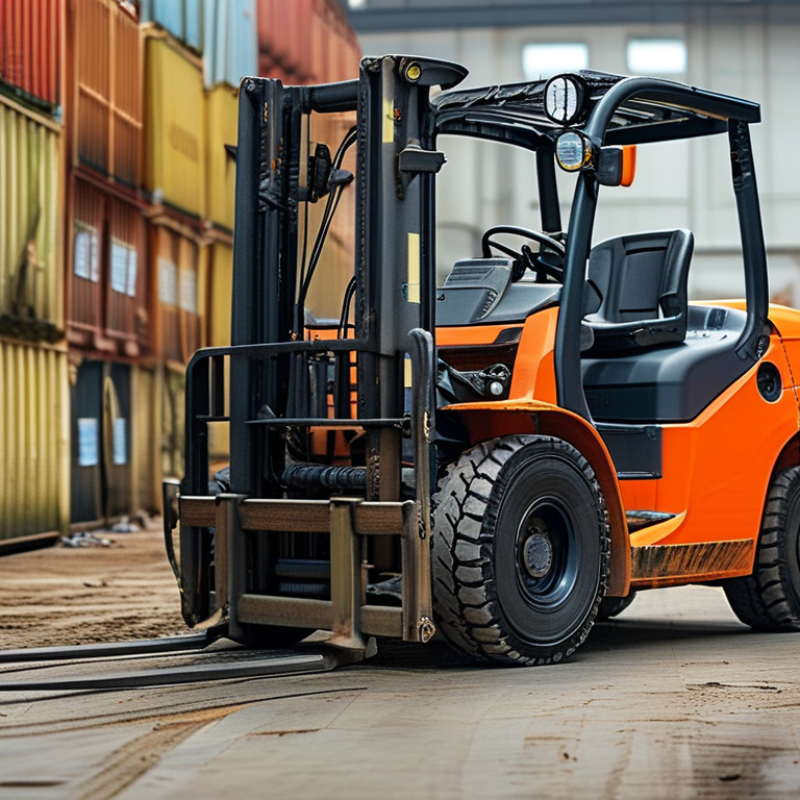
2026 Best Solid Forklift Tires for Maximum Performance?

Types of Solid Forklift Tires and Their Benefits

Choosing the right solid forklift tires is crucial for maximizing performance. Solid tires offer durability and excellent traction, making them suitable for various applications. These tires come in different types, such as polyurethane, rubber, and foam-filled. Each type has specific benefits based on the working environment.

Polyurethane tires are lighter and provide a longer lifespan. They resist wear and tear, making them ideal for smooth indoor surfaces. Rubber tires, however, are better suited for outdoor conditions. They excel in uneven terrain. Foam-filled tires combine the advantages of both types. They avoid the risk of punctures and provide cushioning, which is vital for handling heavy loads.

Industry reports indicate that the right tire can enhance fuel efficiency by up to 10%. This translates to significant cost savings over time. Many operators overlook the importance of proper tire selection, which can lead to decreased productivity. A study found that 30% of companies frequently replace tires due to inadequate performance. Evaluating the specific needs of your operation can prevent wasted resources.

Key Factors to Consider When Choosing Forklift Tires

When selecting forklift tires, several key factors deserve careful consideration. Tire type plays a crucial role. Dependable solid tires offer excellent durability and traction. They are ideal for rough terrains and heavy loads. Understanding the operational environment is essential. Smooth surfaces may need different tires compared to uneven grounds. Make sure to analyze where you'll be using the forklift most often.

Load capacity is another significant factor. Each tire has a specific weight rating. Choosing tires that can handle the weight of your loads is vital. Underestimating capacity can lead to unsafe working conditions. Additionally, consider the tire features. Look out for tread patterns that facilitate better grip and reduced slippage. Solid, puncture-resistant tires can save costs in the long run; they reduce maintenance and downtime.

It's easy to overlook the importance of tire maintenance. Regular inspections can prolong tire life. A worn tire can affect performance unexpectedly. Addressing tire issues early can prevent larger problems. Also, not all operators are aware of how tire pressure impacts stability and safety. Ensuring the right pressure level is a small step that makes a big difference in daily operations.

Top Brands to Look For in Solid Forklift Tires

When it comes to solid forklift tires, the choice of brands plays a crucial role in achieving optimal performance. Leading industry reports suggest that over 50% of all forklifts rely on solid tires for durability and stability. In warehouses and distribution centers, the right tire can significantly improve handling and reduce the risk of accidents.

Several top brands consistently emerge as leaders in solid forklift tire production. These companies focus on advanced rubber compounds and tire designs, enhancing traction and longevity. Notably, a recent analysis by the Material Handling Industry Association indicated that solid tires can last 20% longer than standard pneumatic alternatives. This durability is essential for businesses that operate in rough environments.

However, selecting the best tire isn't always straightforward. One must consider the specific needs of their operations. Factors such as load capacity, surface conditions, and daily usage all impact performance. Some brands may emphasize strength, while others prioritize comfort. This variety can lead to confusion when making a choice. Engaging with industry experts might help clarify these options and lead to better decision-making. The right tire can make a difference, but it requires informed choices tailored to unique operational demands.

Maintenance Tips for Maximizing Tire Lifespan

Maintaining forklift tires is crucial for optimal performance. Regular checks can prevent costly downtime. Inspect tires weekly for signs of wear or damage. Look for cracks, bulges, or uneven tread wear. These issues can affect stability and safety. Proper inflation is also vital. Under-inflated tires increase fuel consumption. Over-inflated tires may lead to blowouts. Find the recommended pressure for your tires and adhere to it.

Proper cleaning can extend the life of your tires. Use a stiff brush and water to remove debris. This prevents punctures and keeps tread patterns intact. Be cautious of chemicals. Some can deteriorate rubber. Additionally, training operators on safe driving practices is essential. Harsh turns and sudden stops can wear tires quickly. Encourage smooth handling to prolong tire lifespan. Regular maintenance and user education create a safer, more efficient work environment.

2026 Best Solid Forklift Tires for Maximum Performance

Tire Type Load Capacity (lbs) Tread Design Ideal Surface Average Lifespan (hours) Maintenance Tips
Solid Non-Pneumatic 8000 Smooth Indoor 3000 Regular Inspection
Polyurethane 6000 Chevron Warehouse 2500 Clean & Debris-Free
Rubber 10000 Deep Tread Outdoor 4000 Proper Inflation
Finger-Lift 7000 Lug Pattern Construction Site 3500 Rotate Tires Regularly
Heavy-Duty 12000 Mud & Snow Mixed Terrain 5000 Check for Cuts

Performance Comparison: Solid vs. Air-Filled Forklift Tires

Choosing the right forklift tires can significantly impact performance. Solid tires and air-filled tires each bring unique advantages. Solid tires excel in durability and stability. They are less likely to suffer from punctures, making them ideal for heavy-duty environments. Air-filled tires, on the other hand, offer a softer ride. This can be beneficial in applications requiring more traction and shock absorption.

Consider the type of surface on which the forklift operates. Rough, uneven terrain may favor solid tires for their resilience. Conversely, smooth surfaces could allow for air-filled tires, which can enhance maneuverability. It's worth noting that solid tires might not provide the same cushioning effect as air-filled options. This trade-off can influence the overall comfort of the operator.

When selecting tires, assess the specific needs of your operations. Look for factors like load capacity and frequency of use. A higher load might necessitate solid tires, while lighter tasks could leverage the benefits of air-filled options. Ultimately, consider trying both types to find the best fit for your environment. Exploring different scenarios will give you valuable insights to make informed decisions moving forward.

Enquire Now

We’re here to help and answer your questions.