Choosing a reliable Cartoon box metal detector manufacturer requires more than comparing prices or website claims. China has a broad supplier base, including equipment makers, automation specialists, and packaging inspection companies. This guide introduces ten notable manufacturers for buyers seeking stable inspection performance, practical customization, and responsive technical support.
The evaluation considers manufacturing experience, detector sensitivity, conveyor design, software usability, and after-sales service. It also examines important details, such as stainless-steel construction, adjustable belt speed, reject accuracy, and cleaning access. These features matter on a real production line, where dust, vibration, and changing carton sizes can affect performance. A strong supplier should provide test samples, clear specifications, installation guidance, and documented quality procedures. Factory audits and reference checks remain valuable.
Small details matter.
Some manufacturers focus on standard machines, while others develop integrated systems for different packaging layouts. Their capabilities may vary by model, market, and production volume. Therefore, this ranking should not be treated as an absolute judgment. It is a practical starting point for further verification.
Buyers should compare detection results using their own products and packaging materials. They should also confirm service response times, spare-part availability, training arrangements, and warranty terms. A polished brochure cannot replace a controlled factory trial. In some cases, supplier information may change after publication, so readers should request updated evidence before making a final decision. With careful review, this list can help businesses identify dependable partners and select a Cartoon box metal detector that fits their process, space, and quality objectives.
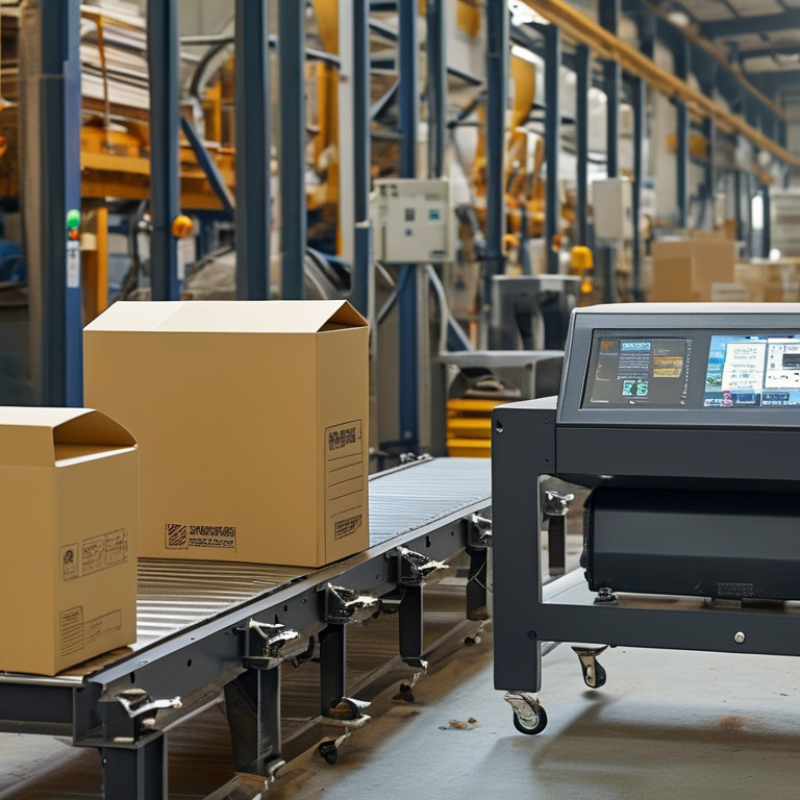
What Is a Carton Box Metal Detector?
A carton box metal detector is an inline inspection system for sealed cardboard packages. It checks products as they pass through a conveyor opening. The system creates an electromagnetic field. Metal fragments disturb that field and trigger an alarm or automatic rejection.
In practical use, the detector sits after filling, sealing, or case packing. Operators adjust sensitivity for product size, moisture, salt, and packaging speed. A dry snack usually behaves differently from a moist food carton. That difference matters. Smithers’ packaging market analysis estimates global packaging demand will exceed 1.2 trillion dollars by 2028, increasing the need for reliable inspection at high-speed lines. PMMI industry reports also identify quality control and automation as continuing investment priorities among packaging manufacturers.
A dependable unit should support reject confirmation, password-controlled settings, test-piece verification, and clear production records. Stainless-steel construction helps during routine washdown areas, but it does not replace proper maintenance. Operators should test performance at scheduled intervals and after product changes. Real factories are rarely perfect. Vibration, poor alignment, and wet cartons can cause unstable readings. Sometimes the detector is blamed first, although the conveyor is the real problem. Careful calibration, documented checks, and trained operators make the system more trustworthy.
| No. | Data Dimension | Typical Specification or Fact | How It Applies to Carton Boxes | Important Selection Consideration |
|---|---|---|---|---|
| 1 | Equipment Definition | A carton box metal detector is an inline inspection system that detects ferrous, non-ferrous, and stainless-steel contamination in products or packages moving through an electromagnetic detection zone. | It is installed on a conveyor line to inspect sealed cartons before storage, shipment, or secondary packaging. | Confirm whether the system is intended for unpackaged products, packaged goods, or finished cartons. |
| 2 | Detection Technology | Most industrial units use a balanced-coil electromagnetic system with a transmitter coil and receiver coils. | The aperture creates a controlled inspection field through which each carton passes. | Multi-frequency or product-compensation technology can improve performance when the product has high moisture, salt, or conductivity. |
| 3 | Contaminants Detected | Common detectable materials include iron, steel, stainless steel, copper, brass, and aluminum, subject to product and machine conditions. | The detector can identify metal fragments introduced during processing, packing, maintenance, or equipment wear. | Detection capability should be validated with certified test pieces under actual production conditions. |
| 4 | Typical Conveyor Speed | Many conveyor-based systems operate at approximately 20 to 60 meters per minute, while specialized systems may operate outside this range. | The conveyor must transport cartons through the aperture at a stable and repeatable speed. | Specify the maximum carton rate, spacing between cartons, and required response time of the rejection device. |
| 5 | Product Opening Size | Available aperture dimensions vary widely; common food-packaging applications use openings approximately 200 to 600 mm wide and 100 to 300 mm high. | The aperture must be large enough for the largest carton while remaining as small as practical for better sensitivity. | Measure the maximum carton width and height, including conveyor clearance and product movement tolerance. |
| 6 | Inspection Sensitivity | Sensitivity is normally expressed as the smallest certified metal test sphere or wire that can be detected reliably under defined conditions. | Actual sensitivity depends on aperture size, product effect, carton orientation, speed, and the type and location of contamination. | Do not compare sensitivity figures unless the test conditions, product, aperture, and test-piece standards are the same. |
| 7 | Carton and Packaging Compatibility | Corrugated cardboard, paperboard, plastic film, and many dry packaged products are generally compatible with metal detection. | The detector inspects the carton without opening it, provided the packaging does not contain conductive or metallic components that create excessive interference. | Check carton staples, metalized films, foil liners, conductive inks, clips, and nearby metal structures before final selection. |
| 8 | Rejection Methods | Typical automatic rejection options include air blast, push arm, swing arm, drop flap, belt stop, and diverter systems. | The reject mechanism removes or diverts a contaminated carton after the detector sends a signal. | The rejection method should match carton weight, line speed, product fragility, and the required fail-safe behavior. |
| 9 | Hygiene and Construction | Food-processing models commonly use stainless-steel frames, sealed electrical enclosures, smooth surfaces, and washdown-compatible components. | The construction helps the system withstand routine cleaning and reduces areas where dust, moisture, or product residue can accumulate. | Review the required ingress-protection rating, cleaning chemicals, drainage design, and applicable sanitary standards. |
| 10 | Verification and Compliance | Production systems commonly include password access, automatic test routines, event records, alarm functions, and rejection confirmation. | These features support traceability and help verify that contaminated cartons are detected and removed consistently. | Define testing frequency, record-retention requirements, reject-bin monitoring, and applicable food-safety or quality-system rules. |
Note: The specifications shown are general industry guidance rather than guaranteed performance values. Final detection capability must be confirmed through a product trial and documented validation using the actual carton, conveyor speed, aperture, and certified test pieces.
On a packaging line, a carton box metal detector checks each sealed package as it moves across a conveyor. A transmitter creates a controlled electromagnetic field inside the inspection opening. Two receiving coils monitor changes in that field. When metal enters, its electrical response disturbs the balanced signal. The control unit compares this disturbance with a trained reference. Small signals matter.
After detection, a timed reject device removes the affected carton without stopping production. Some systems use an air blast, while others use a diverter or stop mechanism. Timing must match conveyor speed, carton spacing, and sensor position. Operators should test calibrated samples at the line entrance, center, and exit. These checks expose weak sensitivity, delayed rejection, or unstable readings. Records support better maintenance decisions.
Carton moisture, foil labels, product temperature, and vibration can influence performance. A dry paper box may pass easily, while damp packaging can create extra electrical noise. Automatic setup helps, but it does not replace practical observation. During a line assessment, checking conveyor alignment before changing sensitivity is often wiser. That simple step is often overlooked. A perfect setting rarely exists. Manufacturers in China increasingly refine these systems for faster lines, yet every application still needs product-specific validation.
Ranking China’s top carton box metal detector manufacturers requires more than comparing prices or polished websites. The strongest candidates show proven experience with conveyor-based inspection. They should explain how their systems perform on filled cartons, changing product loads, and fast production lines. Factory visits, test records, and customer references provide useful evidence.
Detection performance deserves careful measurement. Buyers should request demonstrations using certified ferrous, non-ferrous, and stainless-steel test pieces. Results should remain stable across different carton sizes and product temperatures. Important details include aperture design, belt speed, rejection accuracy, signal recovery, and protection against dust or moisture. Clear calibration procedures also reveal technical maturity. Small details matter.
Documentation separates reliable manufacturers from temporary suppliers. Look for electrical drawings, operating manuals, inspection reports, and traceable quality records. A capable engineering team should support installation, operator training, troubleshooting, and spare-part planning. Response time matters when a production line stops. It is not enough to promise support.
Pricing still matters, but the lowest quote can hide weak sensors, limited testing, or expensive maintenance. Ranking should also consider delivery consistency, customization ability, warranty clarity, and long-term service. No ranking is perfect. A manufacturer may perform well in trials but struggle with communication later. Independent verification remains necessary, especially before placing a large order.
The chart presents a practical procurement-weighting framework for evaluating cartoon box metal detector manufacturers in China. Product detection performance and quality compliance receive the highest weights, followed by customization capability, production capacity, after-sales service, and export experience. The criteria are manufacturer-neutral and do not represent the performance of any specific company or brand.
China’s Top 10 Carton Box Metal Detector Manufacturers are increasingly judged by measurable performance, not catalog size. MarketsandMarkets estimates that the global metal detection systems market may reach about US$7 billion by 2029, with steady industrial growth. Smithers also projects global packaging demand to exceed US$1.3 trillion by 2028. These figures support stronger demand for dependable inspection equipment.
For carton lines, practical testing matters. Machines should detect ferrous and non-ferrous test pieces under the actual belt speed, product height, and carton moisture. Metallized packaging can increase product effect and false rejects. Good manufacturers provide sensitivity records, calibration procedures, and traceable factory acceptance tests. They should also explain aperture limits clearly. Vague promises are a warning sign.
Service quality often separates the strongest Chinese suppliers from ordinary exporters. Buyers should review installation training, spare-parts response, software records, and preventive maintenance plans. ISO 22000 and HACCP-based production systems can support better process control, although certification alone proves little. A low quoted price can look attractive. It may hide weak validation or expensive downtime. My ranking would change after independent line trials, because published specifications rarely show performance during vibration, dust, or rushed changeovers. That is an uncomfortable point, but a useful one.
Choosing among China’s top 10 carton box metal detector manufacturers requires more than comparing prices. Examine their experience with corrugated packaging lines, conveyor speeds, and dusty production areas. Ask for real test data using your carton sizes and product samples. A reliable manufacturer should explain detection sensitivity, rejection timing, and maintenance access clearly.
Visit the factory, if possible. Observe assembly, calibration, and final inspection procedures. Request records for incoming components and finished machine testing. Check whether engineers can adjust the system for different carton heights without complicated downtime. Certifications matter, but they should support practical performance, not replace it. Clear drawings, stable software, and responsive after-sales support often reveal more than polished brochures.
Tips: Compare three technical quotations using the same specifications. Confirm warranty coverage, spare-part availability, installation training, and response times. Ask for references from similar packaging applications. Test the detector under normal line conditions, including speed changes and harmless packaging variations. Do not accept vague promises about “high accuracy.” Define the test method in writing. No checklist is perfect. I have seen attractive offers hide weak documentation and slow communication, so leave room for careful questions before signing.
We’re here to help and answer your questions.