Why Choose PVC Tarpaulin for Your Next Project?

When planning your next project, consider using PVC Tarpaulin. This versatile material offers numerous benefits that can enhance your project’s success. PVC Tarpaulin is known for its durability and resistance to weather elements. Whether you are constructing tents or creating protective covers, this material stands out.

One of the key reasons to choose PVC Tarpaulin is its strength. It can withstand heavy use and resist tearing, making it perfect for various applications. Imagine an outdoor event under a PVC Tarpaulin cover; it protects against rain and wind. However, some might underestimate its UV resistance, which can lead to premature fading or damage.

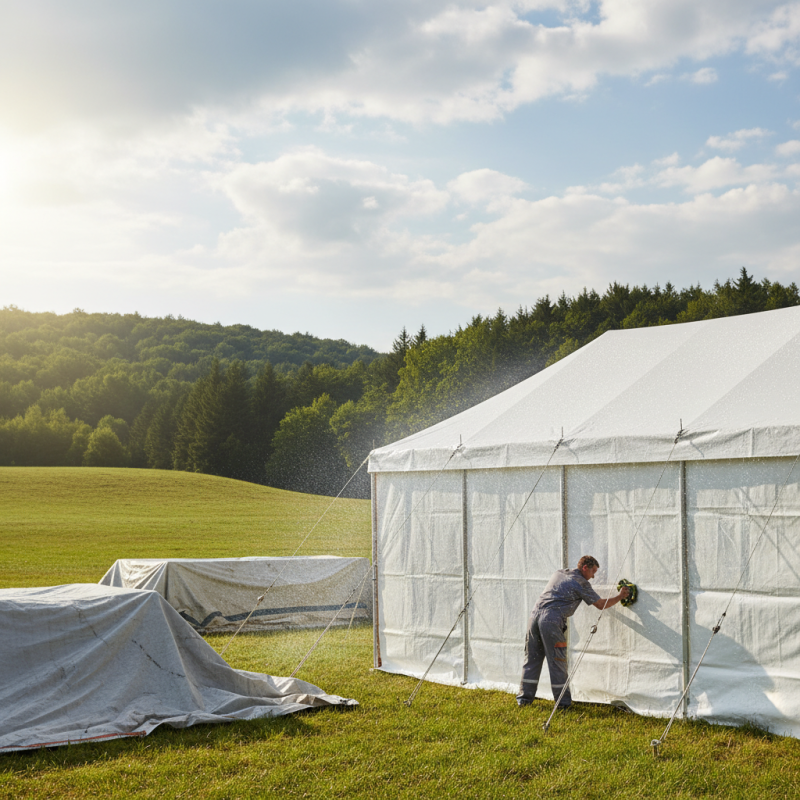
Another often overlooked aspect is the ease of cleaning and maintenance. Spills and dirt can be simply wiped away. Still, one must ensure regular upkeep to prolong its life. It's crucial to reflect on the long-term implications of your material choice. PVC Tarpaulin might seem cost-effective now, but consider potential replacements in the future.
Why Choose PVC Tarpaulin for Your Next Project?

Understanding PVC Tarpaulin: Properties and Benefits

PVC tarpaulin is a versatile material, widely used across various industries. Its properties make it a popular choice for projects that require durability and water resistance. According to a report by Technavio, the global tarpaulin market is expected to grow by 4% annually, indicating high demand for materials like PVC tarpaulin.

One significant benefit of PVC tarpaulin is its resistance to harsh weather conditions. This material does not easily tear or fade, making it suitable for outdoor use. A study by MarketsandMarkets shows that PVC tarpaulin's lifespan can exceed 10 years, depending on usage and maintenance. This durability translates to lower replacement costs over time. However, users must be aware that improper care can lead to deterioration.

Additionally, PVC tarpaulin is lightweight yet strong. It is easy to handle and transport, which can save time on project sites. The flexibility of this material allows it to be used in various applications, from construction covers to awnings. Despite these advantages, some may find it difficult to recycle. This raises concerns about environmental impact, prompting industry discussions on better disposal methods. Choosing PVC tarpaulin can be rewarding but requires thoughtful consideration of its lifecycle.

Applications of PVC Tarpaulin in Various Industries

PVC tarpaulin is gaining traction across various industries due to its versatility. In construction, it serves as protective covers and scaffolding. It withstands harsh weather, making it a solid choice. A report from Grand View Research reveals that the global tarpaulin market is expected to reach $2.6 billion by 2025. This marks a significant growth driven by its durability and cost-effectiveness.

In agriculture, PVC tarpaulin is used for crop protection and storage. Farmers appreciate its waterproof qualities. This can lead to better yield and less waste. According to the National Agricultural Statistics Service, proper storage can reduce crop loss by up to 20%. However, some still hesitate to adopt it fully. They question long-term sustainability and environmental impact.

Transport and logistics sectors also utilize PVC tarpaulin for truck covers. These covers resist tearing and provide excellent UV protection. They ensure that cargo remains safe during transit. Yet, the industry faces challenges in recycling used tarpaulins. This remains an area needing reflection. Finding eco-friendly disposal solutions is critical for future use.

Applications of PVC Tarpaulin in Various Industries

Comparative Analysis: PVC Tarpaulin vs. Other Materials

When considering materials for a project, PVC tarpaulin stands out in several ways. Compared to canvas, PVC tarpaulin is often more durable. It can withstand harsh weather conditions. This means it resists water and UV damage better than traditional fabrics. While canvas might be more eco-friendly, it often lacks the strength needed for heavy-duty applications. This leaves users frustrated when things go wrong.

In the race against polyester, PVC tarpaulin wins on longevity. Polyester may be lightweight, but it tears more easily. Users report frequent issues with wear and fading over time. PVC, on the other hand, remains vibrant and intact even after extended use. This durability can save money in the long run, as replacing damaged materials adds up. Yet, many people overlook this when making choices.

While PVC tarpaulin has many benefits, it’s essential to consider its weight. It may be heavier than other options, presenting challenges for transport. Some projects might not need heavy-duty material, which can lead to overkill. This raises questions about practicality and cost-effectiveness. Evaluate your project's unique needs carefully before making a decision.

Maintenance and Care Tips for PVC Tarpaulin Products

PVC tarpaulin is a great choice for various projects, but once you invest in it, proper care is essential. Regular cleaning goes a long way. Use a mild soap and water solution for routine maintenance. Scrub gently with a soft brush to avoid damaging the surface. It’s important to rinse thoroughly to remove any soap residue. Leaving soap on the surface can lead to discoloration over time.


Storing your PVC tarpaulin correctly can extend its lifespan. Make sure it's dry before you roll it up. Damp tarpaulin can develop mold and mildew, which are tough to remove. Additionally, keep it stored away from harsh sunlight. Prolonged exposure can degrade the material. Consider a protective cover as an extra measure.


Even with care, wear and tear may occur. Sometimes, small tears or holes can happen. It’s useful to have a repair kit on hand. Patching up minor damage promptly can prevent it from worsening. Reflecting on these tips can help you maintain the quality and functionality of your PVC tarpaulin products over time.

Cost-Effectiveness of Choosing PVC Tarpaulin for Projects

When considering materials for projects, PVC tarpaulin stands out for its cost-effectiveness. According to industry reports, PVC tarpaulin can significantly reduce material costs by up to 30% compared to traditional options. This makes it a prime choice for businesses looking to stay within budget while maintaining quality.

The durability of PVC tarpaulin contributes to its long-term savings. With a lifespan of over five years in outdoor conditions, it minimizes the need for replacements. Yet, some projects may overlook this material due to initial costs. It's easy to dismiss PVC tarpaulin as a lower-tier option, but the data suggests otherwise.

Additionally, PVC tarpaulin offers versatility across various industries. From construction to event management, it adapts well to different applications. While some may question its weight or installation process, its benefits often outweigh these concerns. The value lies not just in affordability but in overall performance.

Enquire Now

We’re here to help and answer your questions.