In the realm of modern manufacturing, precision engineering stands as a cornerstone of innovation. Renowned expert Dr. Emily Chen, a leader in the field, once stated, "Precision engineering is not just a skill; it’s a necessity for future growth." This insight drives home the importance of precision in creating high-quality products.
Precision engineering facilitates the production of intricate components. These components are vital across industries like aerospace, automotive, and healthcare. Each product relies on exact specifications and meticulous craftsmanship. However, achieving this level of accuracy is not without its challenges. Manufacturers often grapple with maintaining consistent precision amid evolving technologies and consumer demands.
Moreover, the pursuit of perfection in precision engineering can sometimes lead to over-engineering. This raises questions about efficiency and cost-effectiveness. Balancing precision with practicality is a continuous journey for manufacturers. Ultimately, honing precision engineering practices is crucial for fostering innovation and sustaining competitive advantage. The industry must reflect on its methods to ensure a future where precision meets both quality and efficiency.

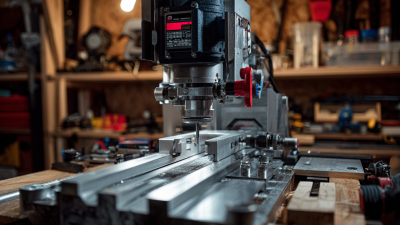
Precision engineering plays a vital role in modern manufacturing. It focuses on creating components with extreme accuracy. This accuracy is essential for devices and systems in various industries. From aerospace to healthcare, precision ensures safety and functionality. In manufacturing, it involves advanced machining processes and meticulous design.
Tips: Always verify measurements twice. Small errors can lead to significant issues down the line. Use state-of-the-art tools to enhance precision. Regular maintenance of these tools is crucial for optimal performance.
Precision engineering also requires a skilled workforce. Knowledgeable engineers and technicians ensure designs are implemented correctly. However, even experienced workers can make mistakes. Continuous training and feedback can help mitigate this.
Tips: Encourage a culture of quality control. A second pair of eyes can catch errors. Embrace technology that assists in precision tasks, such as automation. This can reduce human error and improve consistency.
| Aspect | Definition | Importance | Applications |
|---|---|---|---|
| Accuracy | The degree to which a process or system adheres to a specified value. | Critical for ensuring products meet design specifications. | Aerospace components, medical devices. |
| Tolerances | The permissible limit of variation in a physical dimension. | Ensures parts fit together and function correctly. | Automotive assembly, precision machinery. |
| Material Selection | Choosing the right material based on mechanical properties and tolerances. | Directly impacts durability and performance. | Electronics, structural components. |
| Machining Processes | Methods including turning, milling, and grinding to shape materials. | Enables precise shaping and finishing of parts. | Tool manufacturing, custom parts. |
| Quality Control | Processes to ensure products meet defined quality standards. | Reduces waste and ensures reliability of manufactured goods. | Pharmaceutical industry, food production. |
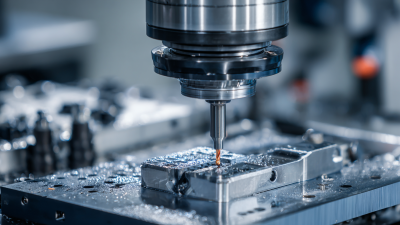
Precision engineering plays a critical role in enhancing product quality in modern manufacturing. It focuses on creating components with extremely tight tolerances. This results in parts that fit together perfectly. Accurate measurements are key to achieving this level of precision. A minor error can lead to significant issues down the line, impacting functionality and safety.
In real-world applications, think about machinery parts. If a gear is only slightly off, it can cause a cascade of breakdowns. These flaws often stem from insufficient attention to detail. Quality control processes must adapt continuously. Engineers need to embrace new technologies, ensuring they maintain rigorous standards. Sometimes, even the best systems can fail to catch every mistake.
Investing in precision engineering helps manufacturers improve their reputation. Customers expect high-quality products that work reliably. However, balancing speed and accuracy remains a constant challenge. Often, companies rush to meet deadlines, sacrificing precision. This trade-off can result in costly recalls and dissatisfied clients. Quality must never become an afterthought in the manufacturing process.
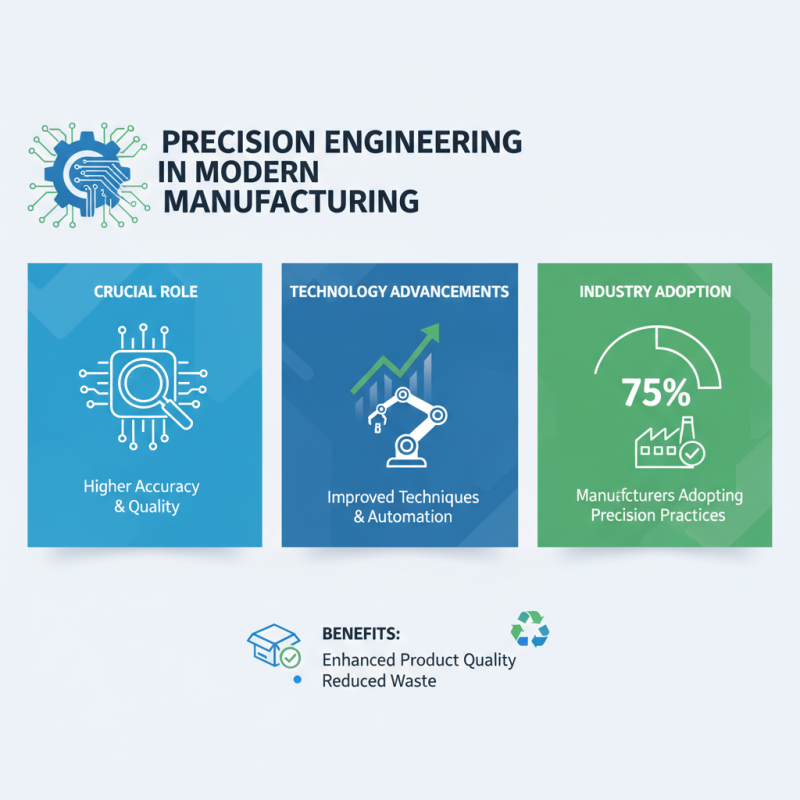
Precision engineering plays a crucial role in modern manufacturing. With advancements in technology, industries can achieve higher precision levels. Recent reports show that 75% of manufacturers are adopting precision engineering practices. This shift enhances product quality and reduces waste.
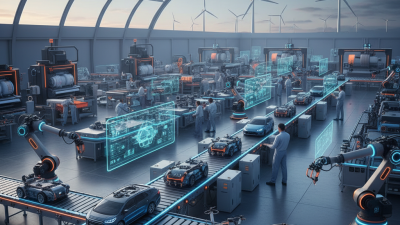
Technological innovations, such as robotics and AI, drive these practices. They enable machines to operate with unparalleled accuracy. For example, automation has reduced production errors by up to 50%. This decrease directly impacts cost efficiency. However, integrating new technologies presents challenges. Many companies struggle with data management and machine calibration.
Moreover, the demand for custom products is rising. This trend pushes manufacturers to refine their processes continuously. A recent survey found that 60% of engineers experience difficulties meeting precision standards. While technology offers solutions, it also creates complexities. Companies must balance innovation with practical implementation to succeed in precision engineering.
Precision engineering fundamentally transforms modern manufacturing. Its influence on production efficiency is profound. By minimizing errors, it streamlines processes. This results in higher output with fewer resources. Engineers focus on exact specifications to ensure every component fits perfectly. This accuracy reduces waste significantly, which saves money.
Cost management also benefits from precision engineering. Production lines operate more smoothly when precision tools are used. Fewer defects mean less rework. Each mistake can be costly. Companies may not always recognize the hidden costs of imprecision. Investing in precision tools can seem daunting. However, the long-term savings typically outweigh these initial costs.
Moreover, effective training is necessary. Skilled workers are essential to leverage these techniques fully. Yet, training programs are often overlooked or underfunded. This gap can hinder progress. As companies evolve, they must not ignore the human element in precision engineering. Emphasizing both technology and skill can yield impressive results.
Precision engineering plays a crucial role in modern manufacturing, but it faces significant challenges. According to a report by the International Society for Precision Engineering and Nanotechnology, the demand for precise components in industries like aerospace and automotive continues to grow. Yet, the complexity of designs often leads to increased production costs. Many manufacturers struggle to maintain quality while minimizing waste.
Emerging technologies like additive manufacturing show promise but also highlight new hurdles. A report from the McKinsey Global Institute indicates that improper implementation can lead to issues. Teams often lack the expertise to adapt these technologies efficiently. Moreover, reliance on automated systems can result in overconfidence, which may compromise precision when human oversight diminishes.
Looking ahead, the integration of artificial intelligence in precision engineering could transform processes. However, implementing such solutions isn't straightforward. Many companies grapple with data management challenges. Ensuring data integrity and cybersecurity is increasingly difficult as systems become more interconnected. The path to overcoming these challenges is still murky, requiring continuous evaluation and improvement in methodologies.
We’re here to help and answer your questions.