In the dynamic realm of aluminium industries, China stands as a significant player. Experts highlight the country’s prowess in production and innovation. John Smith, a renowned expert in the field, noted, “China's aluminium industries are reshaping the global market with their advanced technologies.” His insights shed light on the competitive landscape that global buyers must navigate.
With numerous companies vying for attention, the challenges can be overwhelming. Sourcing quality aluminium products calls for thorough research. Current trends show that buyers prioritizing sustainability and innovation are more successful in their endeavors. Chinese manufacturers have gradually embraced eco-friendly practices while maintaining high standards.
Moreover, not all companies deliver the same reliability. In this vast market, identifying trustworthy suppliers is critical. While some firms shine with outstanding quality, others may fall short. Aligning with the right partner requires diligence and ongoing assessment. The task may be intricate, but understanding the landscape is essential for success in today’s aluminium industries.
The aluminium industry in China has witnessed remarkable growth over the past two decades. As the largest producer of aluminium in the world, China dominates global supply chains. Raw material availability, coupled with advanced production techniques, drives this growth. However, the industry faces challenges such as environmental regulations and rising energy costs.
Many companies are investing in eco-friendly technologies. These aim to reduce carbon emissions while maintaining output efficiency. Despite these efforts, some processes still heavily rely on fossil fuels. This creates a conflict between production needs and sustainability goals. Industry experts stress the importance of balancing growth with environmental responsibilities.
Market demand for aluminium remains strong, especially in construction and automotive sectors. However, fluctuations in global demand can impact domestic industries. Manufacturers must remain agile and innovate continuously to stay competitive. Understanding market trends is critical for long-term success in this evolving landscape.

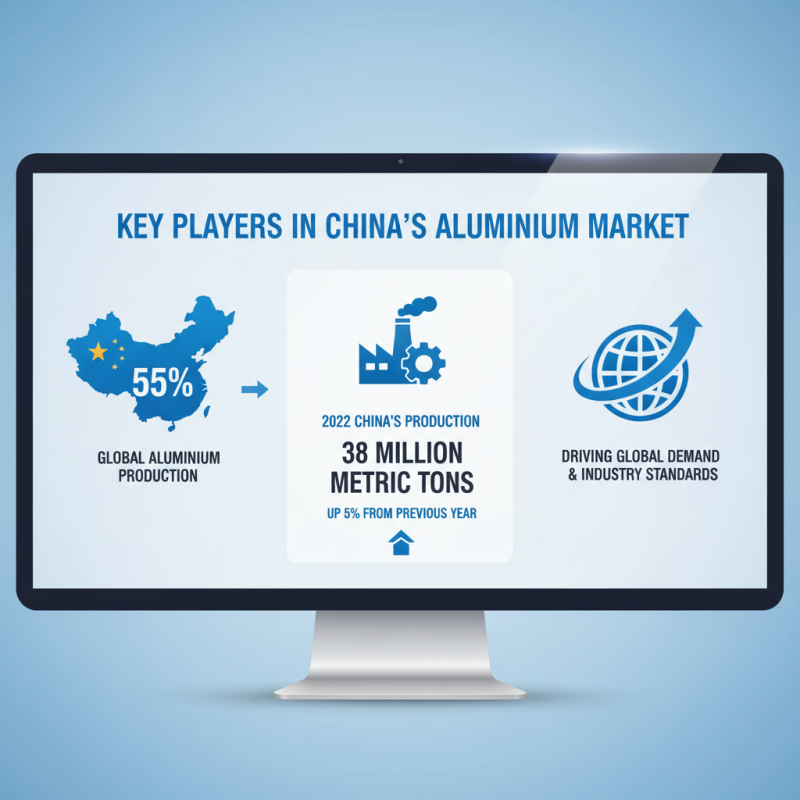
China's aluminium market is a dynamic force driving global demand. The country accounts for over 55% of the world's aluminium production. This substantial share highlights its role in shaping industry standards. In 2022, China produced around 38 million metric tons of aluminium, reflecting an increase of nearly 5% from the previous year. Such growth comes amidst rising global consumption.
Key players in this market have established robust supply chains and state-of-the-art manufacturing processes. They emphasize sustainability, with many efforts focused on energy-efficient production methods. The aluminium sector is also adapting to regulatory changes that promote eco-friendly practices. However, challenges remain. The reliance on coal for energy poses environmental concerns. This contradiction raises questions about the sustainability of production practices.
The competitiveness of the Chinese aluminium industry is further illustrated by its exports, which topped 13 million metric tons in 2022. However, fluctuating global prices and trade tensions can disrupt this growth. Domestic demand from sectors like construction and automotive also influences aluminium prices. These factors create a complex landscape for buyers and stakeholders alike.
China has become a global powerhouse in the aluminium industry. Its output reached approximately 38 million metric tons in 2021, making up more than half of the world's total production. The country continues to dominate thanks to its abundant resources and advanced technologies.
Several leading aluminium manufacturers drive this growth. They utilize innovative methods for extracting and processing aluminium. Companies invest heavily in research and development. This helps improve efficiency and sustainability. For instance, some firms are adopting recycling technologies, which can reduce emissions by up to 70%.
Despite this advancement, challenges remain. Price fluctuations and environmental regulations create uncertainty. Quality control can also be inconsistent across manufacturers. Some regions may lack the infrastructure needed for consistent production. Buyers must carefully assess these factors when choosing suppliers in China.
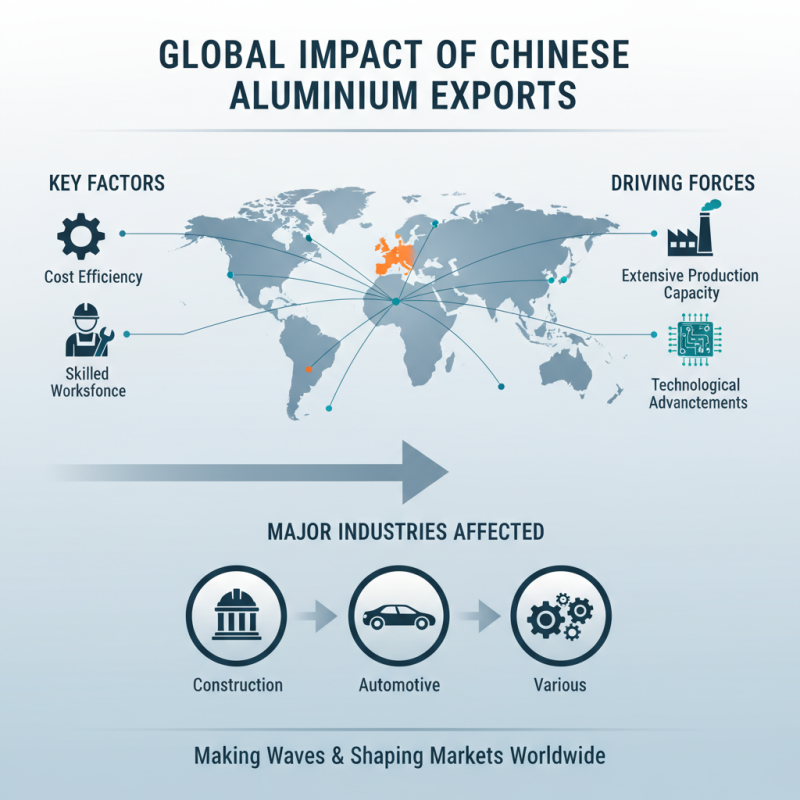
Chinese aluminium exports are making waves globally. They influence various industries, from construction to automotive. This surge stems from China's extensive production capacity and technological advancements. Key factors include cost efficiency and a skilled workforce.
However, the dominance of Chinese aluminium poses challenges. It can disrupt local economies in importing countries. Many nations rely on domestic production, which faces pressure from cheaper imports. This situation raises concerns about sustainability and fair trade practices.
Moreover, the environmental impact of aluminium production is significant. Energy-intensive processes contribute to greenhouse gas emissions. As global demand for aluminium rises, the question of responsible sourcing becomes crucial. Balancing economic benefits with ecological considerations is essential. Buyers must reflect on these dynamics in their purchasing decisions.
China's aluminium industry has witnessed significant transformations in recent years. The rapid urbanization and demand for lightweight materials has driven production growth. As a primary global supplier, China faces rising environmental challenges. Striking a balance between growth and sustainability is crucial.
In the near future, smart manufacturing will lead the industry. Automation and data analytics can optimize processes, enhancing efficiency. However, the reliance on technology may lead to job displacement, raising societal concerns. Moreover, the pressure to lower carbon emissions adds complexity to future strategies. This shift requires innovative thinking and long-term planning.
Investors should keep an eye on regulatory changes. They can influence market dynamics and expansion strategies. Continuous adaptation will be essential for success. As the industry evolves, understanding these trends is vital for global buyers seeking reliable partnerships.
We’re here to help and answer your questions.