What Are the Top Types of Abrasive Flap Discs?
Choosing the right abrasive disc can change a rough weld into a clean, workable surface. In metalworking, an Abrasive Flap Disc combines overlapping abrasive flaps with a strong backing plate. This design supports controlled grinding, blending, and finishing. Unlike rigid grinding wheels, flap discs often feel smoother in the hand. They also distribute wear across multiple flaps. That difference matters when working on stainless steel, carbon steel, aluminum, or painted surfaces.
This guide examines the top types of abrasive flap discs by grain material, grit size, backing shape, and intended application. Aluminum oxide discs suit general-purpose grinding and light surface preparation. Zirconia discs offer stronger cutting performance for demanding steelwork. Ceramic grain discs remove material quickly and maintain sharp cutting edges under pressure. Diamond flap discs serve specialized applications, including hard materials and precise surface work. There are also Type 27 discs for flat surfaces and Type 29 discs for angled grinding.
The best choice is rarely based on price alone. Material hardness, contact pressure, machine speed, and desired finish all influence disc performance. A coarse grit may remove welds quickly, but it can leave deeper scratches. A fine grit may create a better finish, but it usually works more slowly. No disc is perfect. Even experienced users can select the wrong grit when the workpiece changes unexpectedly. Careful testing on a small area remains sensible. This article offers practical comparisons, while recognizing that workshop conditions can produce different results.
What Are Abrasive Flap Discs and How Do They Work?
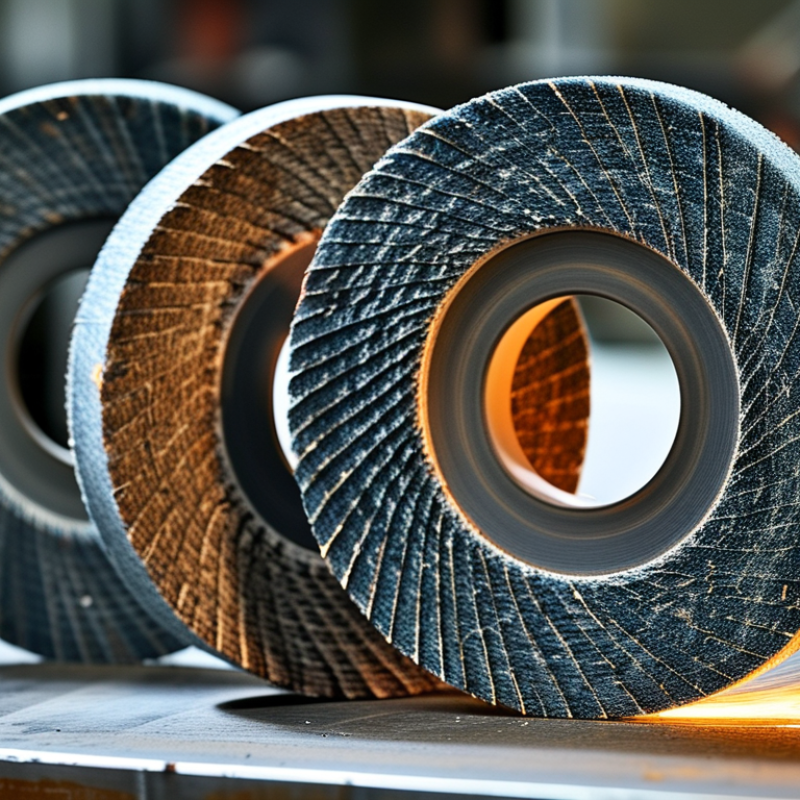
Abrasive flap discs are layered wheels made from overlapping abrasive cloth flaps. The flaps sit on a firm backing plate. As the disc rotates, exposed grains cut metal, remove coatings, and blend welds. Fresh grains appear gradually as used flaps wear away. This creates a steady cutting action, with less vibration than many rigid grinding wheels.
The main types include aluminum oxide, zirconia alumina, ceramic alumina, and silicon carbide. Aluminum oxide suits general steel work and light deburring. Zirconia alumina handles stainless steel and heavier stock removal. Ceramic alumina cuts aggressively under pressure, although it may reward better control. Silicon carbide works well on non-ferrous metals, stone, and finishing tasks. According to Grand View Research’s abrasives market analysis, the global market was valued at over 45 billion dollars in 2022, with continued growth expected through 2030. That expansion reflects demand for faster, more controlled surface preparation. Still, market growth does not guarantee better results. Technique matters.
Tips: Match the disc material to the workpiece. Use coarse grits for removal and finer grits for blending. Keep the disc at roughly 15 to 30 degrees. Avoid forcing it. The Federation of European Producers of Abrasives emphasizes correct guards, speed limits, and inspection before use. Check for damaged flaps or backing plates. A small defect can become serious. In practice, I sometimes choose a finer grit too early, chasing a smooth finish. It looks careful, but it slows the job and loads the disc. Reconsider the finish you actually need.
How Are Flap Discs Classified by Abrasive Material?
What Are the Top Types of Abrasive Flap Discs?
How Are Flap Discs Classified by Abrasive Material?
Abrasive flap discs are mainly classified by their grain material. Aluminum oxide is a practical choice for mild steel, painted surfaces, and general grinding. It cuts steadily and usually costs less. The abrasive wears predictably, which helps beginners control pressure. However, it can feel slow on hardened steel.
Zirconia alumina offers a sharper cutting action. Its grains fracture under pressure and expose fresh edges during use. This makes it suitable for stainless steel, carbon steel, and weld blending. In a workshop, a zirconia disc often removes a visible weld bead with fewer passes. Keep pressure moderate. Excessive force can generate heat and shorten disc life.
Ceramic alumina is designed for demanding metal removal. Its micro-fracturing structure maintains aggressive cutting performance on stainless and high-strength alloys. It may reduce operator fatigue during long grinding sessions. Silicon carbide has a thinner, sharper grain and works well on aluminum, stone, glass, and other nonferrous materials. It can leave a cleaner finish, but it is less forgiving on heavy steel work. Diamond-coated flap discs handle very hard materials, including masonry and certain composites. They are specialized tools, not universal solutions.
Material selection still requires judgment. Disc backing, grit size, machine speed, and contact angle change the result. A coarse ceramic disc may remove metal quickly but leave deep scratches. I have found that faster cutting is not always better. A test pass on scrap material can reveal heat marks, loading, or an unsuitable finish before the real work begins.
What Are the Top Types of Abrasive Flap Discs?
Abrasive flap discs differ by abrasive grain, backing shape, and flap density. In workshop use, the grain usually controls cutting speed and service life. Zirconia alumina discs suit weld blending, edge shaping, and general steelwork. They remain effective under moderate pressure and tolerate occasional heat. Aluminum oxide discs cost less and feel predictable on mild steel, but they wear faster on harder alloys. That trade-off is easy to overlook.
Ceramic alumina discs provide aggressive cutting on stainless steel, hardened steel, and other difficult alloys. Their sharp grains fracture during use, exposing fresh cutting edges and reducing heat buildup. They work best with steady pressure, not excessive force. Silicon carbide discs are useful for glass, stone, composites, and some nonferrous materials. However, aluminum can clog the abrasive quickly. A loading-resistant disc may perform better.
Flap density also changes the result. Low-density discs conform well to curved surfaces and leave a smoother finish. High-density discs remove material faster on flat welds and sharp edges. Grit selection matters too. Coarse grits remove stock, while fine grits refine scratches. I have seen operators choose only by grit and ignore disc density. That often causes uneven finishing. Check the backing, maximum speed, and flap wear before mounting. Keep the disc moving, and avoid forcing a glazed surface. Small details matter.
How Do You Choose the Right Flap Disc for Each Job?
What Are the Top Types of Abrasive Flap Discs?
Choosing the right flap disc depends on the metal, surface condition, and finish you need. Aluminum oxide discs suit general steel work, such as removing light rust, weld discoloration, and small burrs. Zirconia discs cut more aggressively and often last longer on stainless steel or heavy welds. Ceramic discs handle demanding grinding when steady pressure and controlled speed are used. Silicon carbide discs can produce a cleaner finish on non-ferrous metals, stone, and painted surfaces.
Match the grit to the task. Coarse grits, such as 40 or 60, remove material quickly. Medium grits around 80 balance stock removal and smoothing. Fine grits, including 120, help prepare surfaces for painting or polishing. A curved flap disc follows corners and rounded edges more easily. A flat disc offers better control on broad, even surfaces. In practice, pressure matters. Pressing too hard can flatten the flaps, create heat, and shorten disc life. I have sometimes chosen a coarse grit too quickly. It removed metal fast, but left deeper scratches than expected.
Tips: Check the disc’s maximum RPM before use. Keep the grinder moving instead of dwelling in one spot. Watch for blue heat marks on stainless steel. They indicate excessive heat. Test a small hidden area first. Clean the workpiece before judging the final finish. A disc that feels smooth may still be cutting unevenly. Recheck your angle and pressure. Small adjustments often improve control more than a higher-priced abrasive.
What Safety Factors Affect Flap Disc Performance?
Abrasive flap discs are commonly made with aluminum oxide, zirconia, or ceramic abrasive grains. Each type suits different work, from light steel smoothing to demanding stainless steel grinding. Yet disc performance depends on more than abrasive material. Safety decisions often determine whether the disc cuts cleanly or wears unevenly.
Check the disc diameter, bore size, and maximum RPM before mounting it. The grinder must match all three. Never use a disc with cracks, torn flaps, or a distorted backing plate. Small damage can become dangerous at high speed. Keep the machine guard correctly fitted, and secure the workpiece against movement. A loose metal sheet can catch the disc suddenly.
Use safety glasses, a face shield, hearing protection, gloves, and suitable work clothing. Sparks need clear space. Remove flammable materials from the work area. Hold the grinder with both hands, using steady pressure instead of forcing the disc. Excessive pressure creates heat, loads the abrasive, and shortens disc life. Let the flaps do the cutting.
The working angle also affects performance. A shallow angle usually gives smoother blending, while a steeper angle removes material faster. However, aggressive contact can expose the backing and increase kickback risk. Stop often and inspect the disc. This simple habit is easy to skip. In real workshops, rushed inspections remain a common cause of poor results and preventable mistakes.